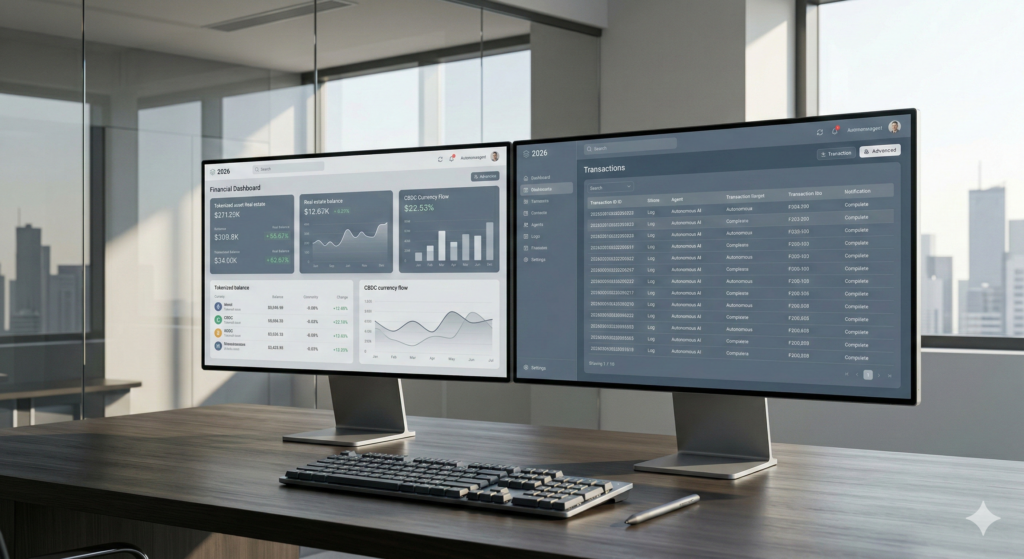
Digital Wallet Intelligence 2026: Decoding the Future of Decentralized Asset Management
As we navigate the fiscal landscape of 2026, the transition from simple payment apps to comprehensive digital asset hubs is no longer optional—it is essential. The integration of programmable finance and decentralized protocols has redefined how both institutions and individuals interact with wealth.
FintechPulse provides a sophisticated, data-driven analysis of the world’s leading digital wallet ecosystems. We strip away the marketing jargon to deliver raw technical insights into encryption standards, cross-border efficiency, and the seamless integration of Web3. Whether you are optimizing for global commerce or securing private wealth, our deep-dive intelligence empowers you to manage your assets with absolute precision.
목차
- 1. The 2026 Pivot: From Payment Apps to Asset Hubs
- 2. Encryption & Biometric Architecture: The New Security Gold Standard
- 3. Programmable Wealth: Smart Contracts and Automated Management
- 4. Cross-Border Velocity: Settlement in the Era of Stablecoins
- 5. Web3 & Institutional Convergence: The Regulatory Frontier
- 6. Actionable Strategy: Optimizing Your 2026 Digital Stack
1. The 2026 Pivot: From Payment Apps to Asset Hubs
As of February 2026, the digital wallet market has reached unprecedented levels of adoption, evolving far beyond mere transaction tools. These platforms now function as comprehensive command centers for Unified Asset Management, integrating traditional fiat currency with programmable digital assets.
The market dynamics have shifted, with Apple Pay commanding premium segments in North America while Google Wallet leverages Android’s global dominance for a strong international presence. Analysts predict the combined user base for these hubs will exceed 1.5 billion by the end of 2026.
| Metric | Apple Pay Hub | Google Wallet Hub |
|---|---|---|
| Global Active Users | 507 Million | 743 Million |
| Avg. Transaction Value | $47.30 | $31.80 |
| Merchant Acceptance | 87% | 82% |
2. Encryption & Biometric Architecture: The Security Gold Standard
When evaluating Mobile Payment 2026, understanding the security architecture is paramount. Both leaders have implemented Secure Element technology, providing a hardware-isolated environment for payment processing that never exposes actual card numbers.
The 2026 standard incorporates quantum-resistant encryption and behavioral biometrics, reducing fraud rates to nearly 0.0012%—a figure significantly lower than traditional physical cards. This multi-layered approach ensures that even if a device is stolen, biometric hurdles and remote-wipe capabilities maintain absolute asset autonomy.
“Mobile payments in 2026 are no longer just about convenience; they are arguably more secure than traditional banking due to hardware-level tokenization and AI-driven fraud modeling.”
3. Programmable Wealth: Smart Contracts and Automated Management
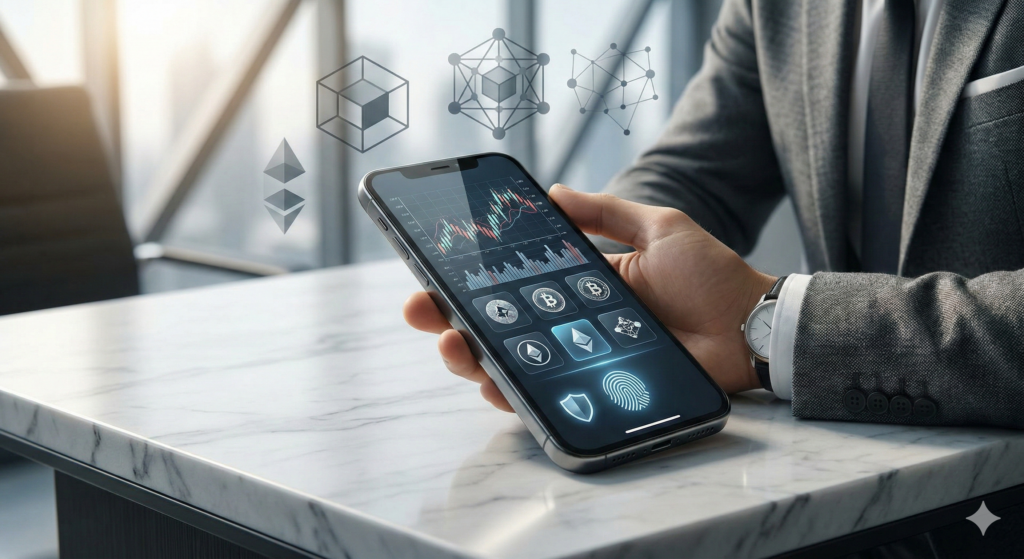
The integration of Smart Contract Protocols into digital wallets has transformed them into autonomous financial agents. In 2026, users no longer manually manage every transaction; instead, they set parameters for automated wealth distribution and yield optimization across diverse asset classes.
By leveraging predictive fraud modeling and real-time AI-driven insights, these wallets can identify emerging investment opportunities or security threats before they manifest. This shift toward programmable finance ensures that capital is always working in the most efficient and secure manner possible.
4. Cross-Border Velocity: Settlement in the Era of Stablecoins
The friction of traditional international transfers has been eliminated through instant settlement layers. Digital wallets in 2026 utilize stablecoin rails and Central Bank Digital Currencies (CBDCs) to facilitate cross-border commerce at near-zero cost.
Google Wallet’s 2026 expansion into emerging markets has prioritized currency conversion efficiency, allowing users to transact in local denominations while maintaining assets in globally stable formats. This interoperability is key to the 28% market share growth observed in international corridors.
• Digital Wallet (Stablecoin): Instant ( < 2s )
• Traditional Wire (SWIFT): 2-3 Business Days
Data reflects average processing time for cross-border transactions as of Feb 2026.
5. Web3 & Institutional Convergence: The Regulatory Frontier
The year 2026 marks a structural transition where Regulatory Clarity has finally unlocked institutional participation in decentralized finance. Digital wallets are no longer just consumer apps; they have become the primary interface for corporations to manage tokenized deposits and real-world asset (RWA) tokenization directly alongside traditional bank accounts.
A major breakthrough in 2026 is the introduction of Know Your Agent (KYA) frameworks, which provide cryptographic identities for AI agents. This allows autonomous entities to hold assets and execute smart contracts within legal boundaries, effectively “banking” the millions of machine identities that now operate in our financial ecosystem.
6. Actionable Strategy: Optimizing Your 2026 Digital Stack
For businesses and high-net-worth individuals, navigating the “multi-moneyverse” requires a platform-agnostic approach. The most successful strategies in 2026 prioritize interoperability between private stablecoins, government-backed CBDCs, and traditional fiat rails.
- Adopt multi-signature wallet architectures for corporate treasury to ensure secure custody and authorization.
- Integrate Universal Commerce Protocols (UCP) to enable AI-driven autonomous purchasing and procurement.
- Utilize on-chain settlement infrastructure to reduce cross-border payment costs by up to 70%.
- Establish AML/KYC checks at the wallet-level to maintain compliance with evolving global frameworks.

5. Frequently Asked Questions
Q: How secure are mobile payments compared to traditional card transactions in 2026?
Mobile payments are significantly more secure due to tokenization, biometric authentication, and real-time fraud detection. The risk of fraud with mobile payments is approximately 80% lower than with physical card transactions as of early 2026.
Q: Can businesses integrate both Apple Pay and Google Wallet simultaneously?
Yes, most modern point-of-sale systems and e-commerce platforms support simultaneous integration of multiple mobile payment options. This multi-platform approach is highly recommended to maximize customer reach and transaction volume.
Q: What are the primary privacy differences between major platforms in 2026?
Apple Pay maintains a privacy-first approach with minimal data collection and on-device processing. In contrast, Google Wallet leverages anonymized transaction data to provide personalized features and enhanced fraud protection, while both comply with the latest international privacy regulations.
Mastering the Digital Asset Frontier
The mobile payment landscape in 2026 presents unprecedented opportunities for both consumers and businesses. By understanding the unique strengths and security capabilities of each platform, stakeholders can make informed decisions that align with their specific financial objectives.
As technology continues to evolve, staying informed about platform updates and emerging trends like quantum encryption and CBDC integration will be crucial for maximizing the benefits of digital asset adoption.